
When the Windows Close: Caring for the Air Inside Your Home This Fall
The week the windows close is the week the air inside starts to matter more. Here is how we get a home ready for the heat to run, without a single harsh product.
There is a morning every fall in Georgia when we walk out to the car and turn around for a sweater, and that is usually the week the windows close. The thermostat flips from cool to heat for the first time since spring, and the house settles into its indoor season. In our own homes and in the homes we care for, the air changes right along with it. The breeze that carried cooking smells and dust out the back door all summer is gone, and whatever is in the house now stays in the house. That is no reason to worry, only a good reason to give the air some attention before the heat runs every day.
The Filter Is the First Thing We Check
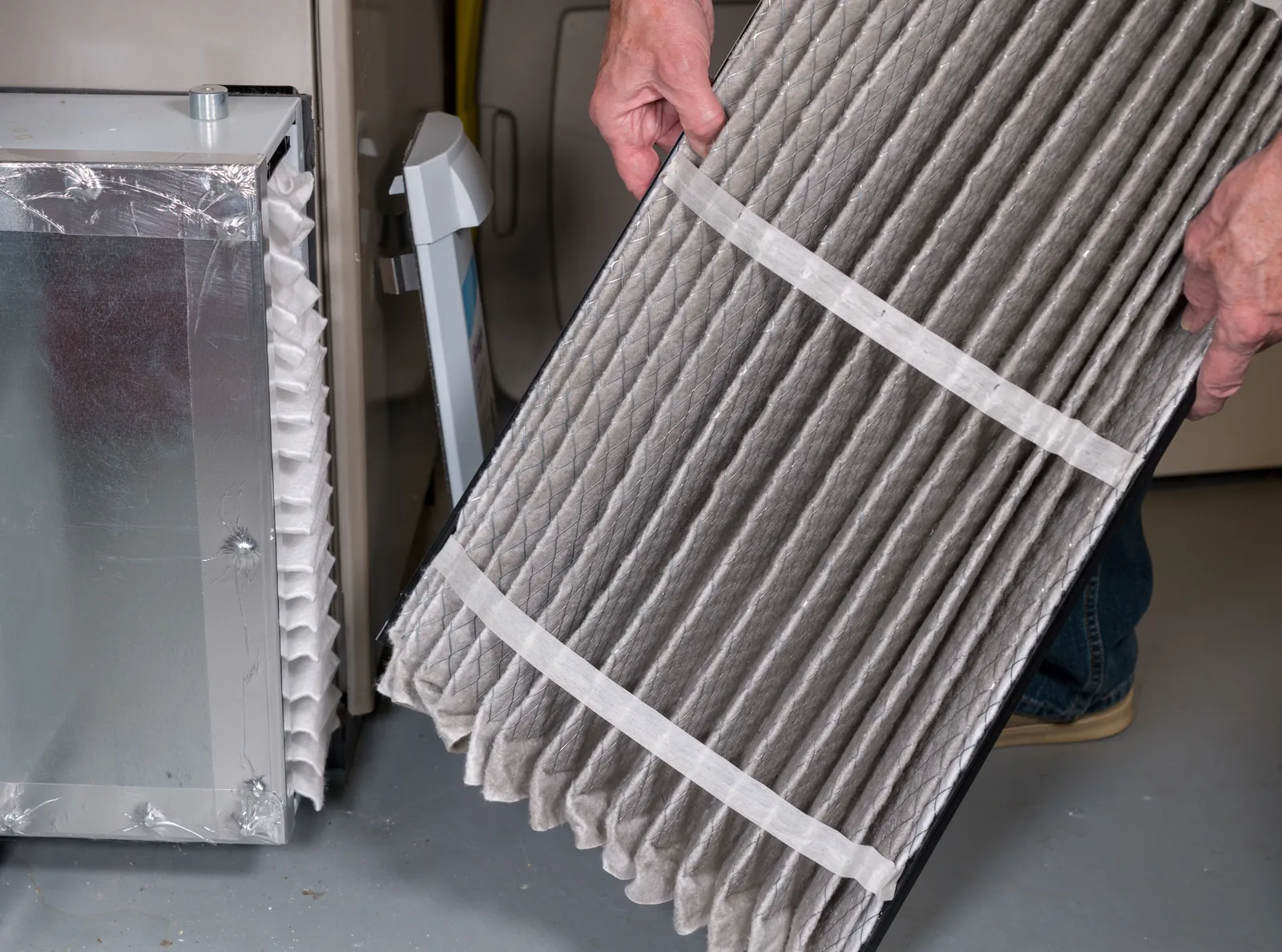
The furnace filter is easy to forget because it lives behind a grille, yet it touches every breath of heated air in the house. ENERGY STAR recommends checking the filter every month, especially during the heavy-use months of winter and summer, and changing it as soon as it looks dirty and at least every three months, since a dirty filter makes the system work harder. Our own habit is to pull it the same week the heat comes on, when a summer of pollen and air conditioning has usually left it gray and the first warm cycle would push that dust straight into the bedrooms. Before the new one goes in, note the arrow on the frame, which points toward the unit, and write the date on the edge.
Then walk the house with a damp microfiber cloth and lift the film of dust off every vent and return grille. Ceiling fans deserve the same pass, because the blade tops have been collecting all summer and the first spin sends that dust down onto the bed below. Finish the register slots with a brush attachment on a sealed HEPA vacuum, so the fine dust leaves the house instead of drifting back into the room. We wrote about what a true HEPA filter actually does, and this is the season it earns its keep.
A Few Minutes of Fresh Air, Even When It Is Cool
Closing the windows is part of the season, so opening them again on purpose feels contradictory, but a house needs to exhale. The EPA lists opening windows and doors when the weather permits as one of the simplest ways to dilute what has built up inside, and it points to bathroom and kitchen fans that exhaust outdoors as a way to pull contaminants straight out of the room. In practice that means a short cross breeze once a day, a window cracked on each side of the house while the coffee brews. The house smells like morning instead of like last night's dinner. On days when the pollen is heavy or a neighbor's fire pit is smoking, keep the windows shut and let the exhaust fans do the work.
The Trouble With the Fall Scent
This is also the season the pumpkin candles and plug-in warmers come out, and we understand the pull, because a warm scent is part of how a home says fall, but it deserves a second look. The EPA says the most effective way to improve indoor air is usually source control, removing what is releasing into the air rather than cleaning the air afterward, and a product made to release fragrance into a closed room for hours is, in the plainest sense, a source. When a label says only fragrance, that one word can stand in for many ingredients the maker is not required to name, the same issue we cover in our guide to reading cleaning labels. Our favorite alternative is a small pot of water on the stove with orange peel, a cinnamon stick, and a few cloves. It smells like the season and turns off when you do.
Steam, Humidity, and the Bathroom Door
Georgia humidity lingers well into fall, and with the windows closed the steam from every shower has nowhere to go but the ceiling and the grout. The EPA is plain about this: the key to controlling mold is controlling moisture, and its advice is to run the bathroom fan or open the window when showering. We add one habit of our own: the fan stays on until the mirror clears, and the door stays open so the room can dry. In client homes the bathroom is where the first dark speckles of the season show up, and it is almost always a ventilation habit rather than a cleaning failure. If a small patch does appear on a hard surface, the EPA's guidance is to scrub it off with detergent and water and dry the area completely, which the gentle products under your sink can handle.
Where Non-Toxic Cleaning Comes In
Once the house is closed for the season, whatever we bring into it stays with us, and that is why we clean the way we do. A conventional spray leaves its fragrance and residue in a room that will stay mostly closed until spring, while a non-toxic routine adds almost nothing to the air it is meant to protect. That, along with sealed HEPA vacuuming and a real wipe-down of vents and fans, is what a wellness cleaning visit looks like in the fall, and the last step of our process is always teaching the habits so they stay. Our free Non-Toxic Starter Kit lays out the swaps we make first, and you can request it here. With a clean filter and a few minutes of fresh air each day, the air inside can feel as good as the season does.